LONDON: A second Qatari liquefied natural gas (LNG) tanker is heading to Pakistan through the Strait of Hormuz, days after the successful passage of the first cargo under a special arrangement involving Iran and Pakistan amid continuing regional tensions.
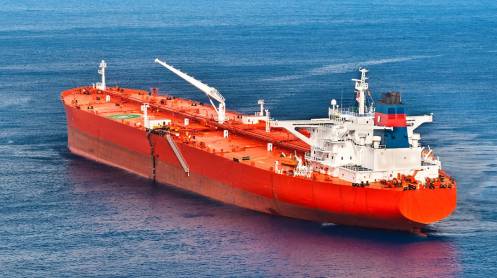
According to LSEG shipping data, the LNG vessel Mihzem, carrying 174,000 cubic metres of LNG, departed from Ras Laffan in Qatar and is currently transiting the Strait of Hormuz toward Port Qasim in Pakistan. The tanker is expected to arrive on May 12.
The shipment marks the second successful transit of a Qatari LNG tanker through the strategically sensitive waterway since the outbreak of the Iran conflict.
Earlier, the LNG tanker Al Kharaitiyat crossed the Strait of Hormuz using an Iranian-approved northern route. The vessel began its passage on Saturday and successfully cleared the strait on Sunday.
According to sources familiar with the arrangement, the LNG cargoes are being supplied by Qatar to Pakistan under a government-to-government agreement. Sources said Iran approved the shipments as part of efforts to build confidence with both Qatar and Pakistan.
Officials indicated that two additional Qatari LNG tankers are expected to head toward Pakistan in the coming days.
Sources also revealed that Pakistan has been engaged in discussions with Iran to secure safe passage for a limited number of LNG cargoes through the Strait of Hormuz as Islamabad seeks to address worsening domestic gas shortages.
Iran reportedly agreed to facilitate the movement of the vessels, with both sides coordinating the safe transit of cargoes supplied under Pakistan’s long-term LNG agreement with Qatar, its largest LNG supplier.
The development highlights the increasingly sensitive operational environment in the Strait of Hormuz, one of the world’s most critical energy transit routes.
Earlier this month, the Abu Dhabi National Oil Company (ADNOC) also managed to send two LNG tankers through the strait after temporarily switching off tracking signals, according to shipping data, underscoring growing security and logistical risks in the region.
Qatar remains the world’s second-largest exporter of LNG, with most shipments destined for Asian markets. However, recent Iranian attacks reportedly disrupted around 17 percent of Qatar’s LNG export capacity.
Industry estimates suggest that repairs to damaged facilities could sideline nearly 12.8 million metric tonnes per year of LNG production capacity for a period ranging from three to five years, raising concerns over long-term supply stability in global energy markets.